
Introduction Over the past three decades, Africa's rhinoceroses have become one of conservation's greatest success stories.…
Keystone Species: Holding Ecosystems Together
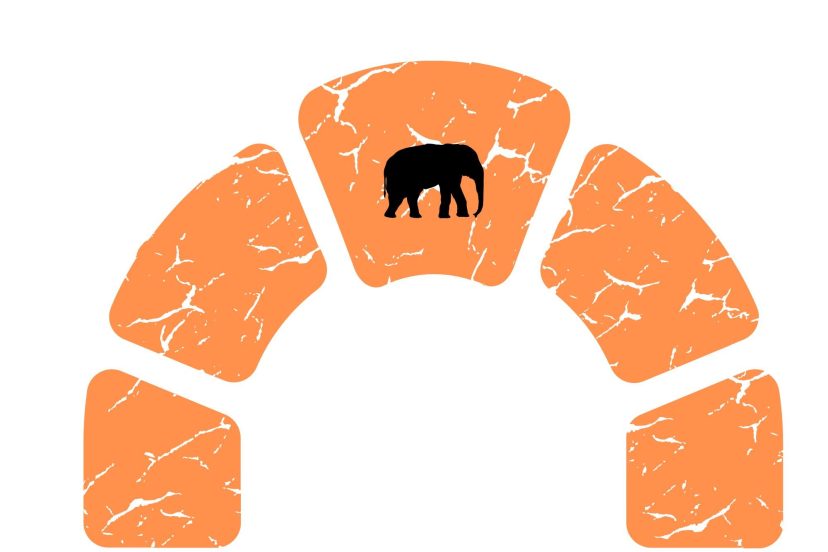
When we picture the driving forces of the natural world, our minds naturally drift to the biggest creatures or the most abundant. We assume that physical size or sheer weight of numbers dictates an organism’s impact on its environment. Decades of ecological research, however, have revealed a far more fascinating truth: some species exert an influence so massive that it completely defies their population size. Remove them, and the entire environmental architecture crumbles.
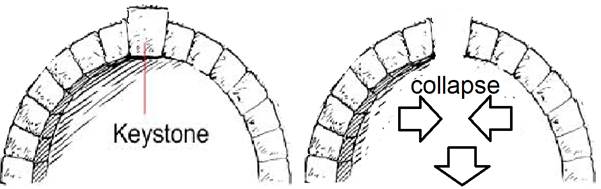
In 1969, American ecologist Robert T. Paine captured this phenomenon by borrowing a concept from architecture: the keystone species. Just as the wedge-shaped stone at the apex of an arch locks all other stones into place, a keystone species anchors the structural integrity of its ecosystem. If it vanishes, the arch collapses, habitats transform, ecological processes stall, and dependent species disappear.
What makes an organism a keystone is the disproportionate strength of its ecological significance. Across the landscapes of Southern Africa, these biological keystones operate at every level of the food web as predators, engineers and life-support networks.
Other Terms for Ecological Significance
We are talking here about keystone species – but there are some other important terms that consider the relationship that a species has with its ecosystem. The specific term for them depends on how their absence affects the environment:
Dominant Species
These are the most abundant or have the highest biomass. While their effect isn’t “disproportionate” like a keystone’s, their sheer numbers make them integral to the ecosystem’s baseline stability. An example in Zimbabwe would be miombo woodland.
Background/Ordinary Species
The vast majority of flora and fauna in any habitat are classified simply by their native status or trophic level (e.g., native primary consumer). Their populations and impacts are steady and balanced, rather than driving massive structural shifts, e.g. the common duiker or the scrub hare.
Redundant Species
In biodiverse ecosystems, many organisms share overlapping roles. If a redundant species is removed, the ecosystem usually doesn’t collapse because other species can expand to fill the vacated niche. Zimbabwe, for example, has a massive regional pool of nonspecialist bird species. Generalist insectivores like the Fork-tailed Drongo and various shrikes easily transition from hunting in open savannah woodlots to hunting over maize and millet fields. If one more sensitive insectivore species leaves due to human presence, multiple “redundant” generalist species immediately fill the void to keep insect pests in check.
Mammal Keystone Species
The African Elephant (Loxodonta africana)
Elephants are the ultimate “ecosystem engineers”, physically reshaping entire landscapes. However, their impact varies dramatically depending on whether they roam the dense rainforests or the wide-open savannas.
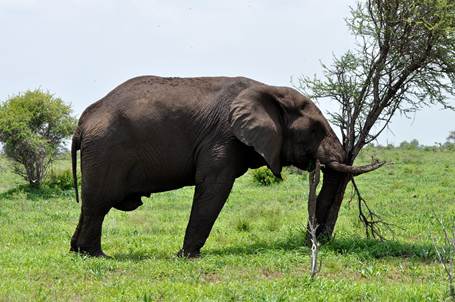
- The Savanna Paradox: In woodlands and savannas, elephants use their immense strength to uproot trees, break branches, and strip bark. While this actively reduces above-ground wood carbon – sometimes slashing tree biomass by up to 60% in highly concentrated areas – it prevents open savannas from turning into choked, dense woodlands. This maintains the expansive grasslands required by grazing herbivores like zebras and wildebeest.
- The Climate Heroes of the Rainforest: Conversely, African forest elephants are vital carbon-sink regulators. They selectively forage on fast-growing, low-density “softwood” trees, leaving slow-growing, carbon-dense “hardwood” trees untouched. This natural thinning eliminates competition for sunlight and water, allowing massive hardwoods to thrive and lock away carbon. Without them, forests lose 7% to 9% of their carbon storage capacity. Economists estimate a single forest elephant provides over $1.7 million in lifetime climate services.
- Water providers: During punishing dry seasons, elephants use their tusks and trunks to excavate dry riverbeds, creating waterholes that sustain dozens of other species. Even their deep footprints fill with rainwater, creating micro-ecosystems for tadpoles and aquatic insects.
- Nutrient Recyclers: As elephants travel up to tens of kilometres daily, they physically redistribute nutrients across different landscapes. They process massive amounts of vegetation, “mine” buried minerals with their tusks, and crush organic matter directly into the earth.
- Seed dispersers: Elephants swallow numerous seeds, dispersing them in nutrient-rich dung over distances of up to 65 kilometres.
The Hippopotamus (Hippopotamus amphibius)
The hippo acts as a heavy-duty nutrient conveyor belt linking terrestrial landscapes to aquatic systems.
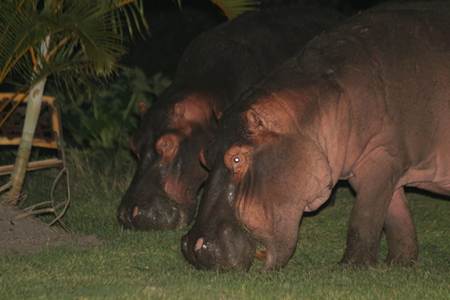
- Nutrient recyclers: Hippos spend their nights consuming up to 40 kg of grass on land and then excrete it into rivers and lakes during the day. This massive influx of dung fertilizes aquatic webs, delivering essential carbon, nitrogen and phosphorus to bacteria, algae and fish. Hippos therefore directly support a diverse array of other species through their behaviour and biology. Dozens of fish species feed directly on the organic matter in hippo dung or use hippo pools as nutrient-rich nurseries. Birds (like cattle egrets) and fish (like Labeo barbus) also rely on hippos to provide food by picking ticks, parasites, and dead skin off their massive hides.
- Channel Avulsion & Peat Rehydration: Hippos weigh up to 1,500 kg and repeatedly trample the same paths, thereby carving deep channels on the surface and under water. These trenches prevent aggressive vegetation like papyrus from clogging a wetland’s “arteries”. In complex systems like the Okavango Delta, these trails act as overflow valves. During floods, they divert water into dry backswamps, a process called channel avulsion, which rehydrates peatlands. Wet peat acts as a massive carbon sponge. By keeping peat saturated, hippos prevent trapped carbon from escaping into the atmosphere.
- Creators of Dry-Season Refuges: Hippos use their massive bodies to alter riverbeds. They wallow and churn up muddy river bottoms, shifting sediment.This wallowing behaviour deepens communal pools. These deepened pools hold water longer during the dry season, creating critical survival refuges for fish, crocodiles, and waterbirds when the rest of the river dries up. These deep trenches also allow fish and amphibians to move between isolated pools, preventing them from being trapped and dying in drying puddles.
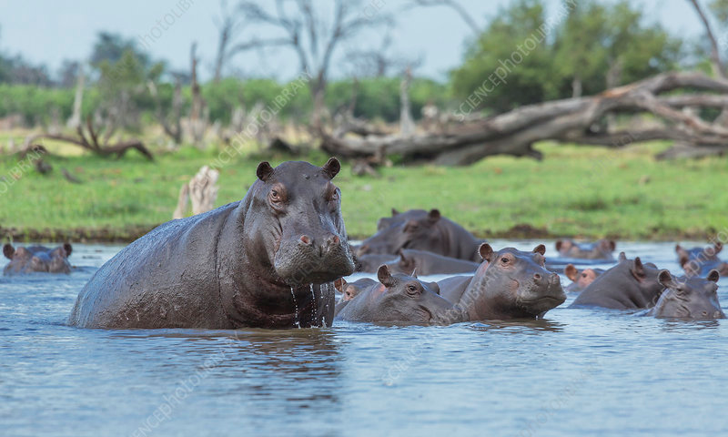
The Hippo Paradox: This system powered by hippos relies on free-flowing water. If rivers dry up due to human diversion, stagnant hippo pools can become overloaded with nutrients, crashing oxygen levels and causing mass fish die-offs.
The Lion (Panthera leo)
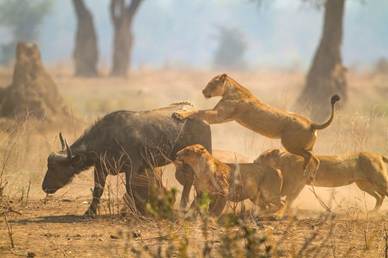
As Southern Africa’s premier apex predator, the lion enforces structural balance from the top down.
Keep prey grazers moving: Lions regulate ecosystems through a psychological dynamic known as the “ecology of fear”. By keeping herbivores on the move, they prevent localized overgrazing, which protects fragile root systems and prevents soil erosion.
A side-by-side comparison of Zimbabwe’s top wildlife reserves highlights how dynamically the lion’s keystone impact adapts to different environments:
| Feature | Hwange National Park | Mana Pools National Park |
| Terrain & Water | Arid Kalahari sands; highly dependent on pumped, man-made waterholes. | Lush, riverine floodplains along the permanent Zambezi River. |
| Predatory Strategy | Ambush & Siege: Lions dominate man-made waterholes to cull high numbers of prey. | Active Pursuit: Prides actively track and out-manoeuvre prey across wide floodplains. |
| Keystone Impact | Prevents massive herds from staying at waterholes indefinitely and desertifying the surrounding flora. | Forces buffalo and elephant herds to move constantly, saving iconic canopy trees from being destroyed. |
- Maintainers of genetic health: Lions also cull the old and sick and
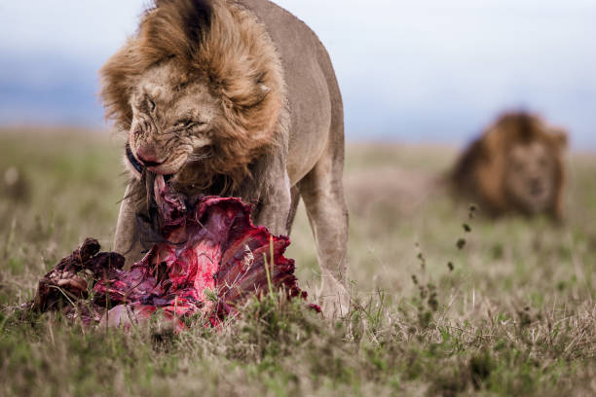
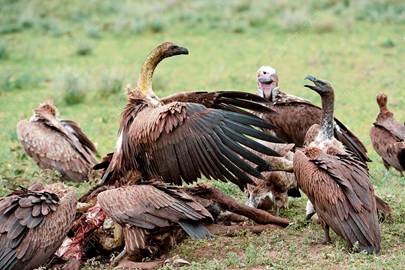
- Feeders of numerous other species: The leftover kills of lions subsidize up to 30 scavenger species, including jackals, hyenas, and endangered vultures.
Vegetation Keystone Species
The African Baobab (Adansonia digitata)
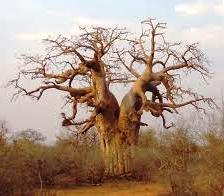
Famously dubbed the “Tree of Life,” the baobab is a self-contained ecological hub in arid and semi-arid regions.
- Living Water Reservoirs: The baobab’s fibrous trunk can hold up to 120,000 litres of water. In severe droughts, elephants use their tusks to gouge the soft bark to chew the damp interior for moisture, a stress that the resilient baobab relatively easily heals from.
- Nutritional Anchor: The baobab’s large white flowers open exclusively at night and emit a musky scent that attracts nocturnal pollinators like hawk moths, fruit bats and bush babies. In the dry winter, its tart fruit pulp provides a high-density harvest of Vitamin C and minerals for mammals and birds (and humans).
- Insect Hubs: Hollow trunks frequently shelter wild honeybee and mopane bee colonies, which are essential for pollinating surrounding flora across the broader savanna ecosystem
- Islands of Fertility: Sprawling roots bind fragile soils against erosion, while its falling leaves decay into a rich mulch that cools the ground, creating a protective “nurse environment” where delicate plant saplings can germinate.
- Shelter: Baobabs provide burrowing, nesting and roosting sites for a remarkable variety of wildlife.
The Mopane (Colophospermum mopane)
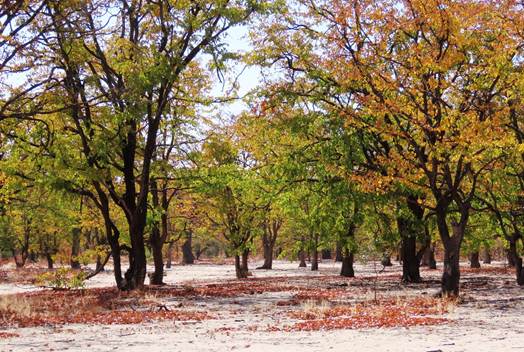
Where the baobab rules as an isolated oasis, the Mopane dominates vast, challenging landscapes, forming “mono-dominant”
- Making use of alkaline and compacted soils: Mopane is uniquely adapted to survive in shallow, poorly drained, and heavily sodium-rich (clay pan) soils where almost no other tree can grow.
- Microbial associations: Mopane roots harbour specialized endophytic bacteria that fix atmospheric nitrogen directly into the surrounding soil, creating localized pockets of high fertility in an otherwise hostile environment.
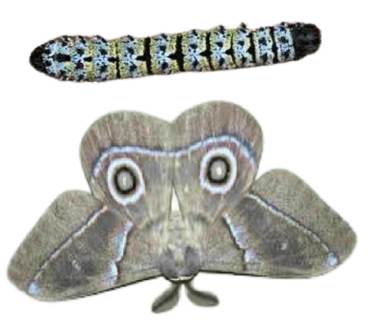
- Habitat for the Mopane Worm The tree is the sole host of the Emperor Moth caterpillar (amacimbi or madora). During seasonal outbreaks, millions of these caterpillars defoliate the trees, converting tough leaves into protein for birds and mammals, and dropping nitrogen-rich waste (frass) that supercharges the soil.
- High-protein Winter Fodder: Mopane leaves retain an impressive 11% to 13% crude protein content even after drying. Many grazers depend on the fallen leaves when grass is scarce.
- Resilience and regrowth: The tree resists rot and termites. When elephants snap its branches, it rapidly shoots back up as dense scrub, creating a complex landscape between the scrub and the towering “cathedral” versions that provides hiding spaces for small antelopes and other creatures and open pathways for predators.
The Fever Tree (Vachellia xanthophloea)
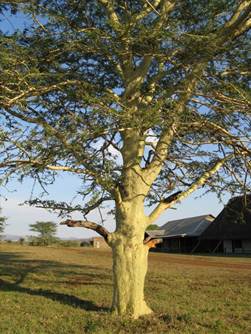
The fever tree serves as a hydrological anchor along riverbanks and floodplains.
- The riparian larder: The fever tree’s sugary gum supplies winter energy for small animals like bushbabies and, at the other end of the scale, elephants, giraffes, and kudu who aggressively browse its nutrient-dense twigs and seed pods. Vervet monkeys and baboons feed on the pale-yellow spherical flower heads and fresh seed pods.
- Protection for birds: Fever trees have formidable, straight white thorns up to 7 centimetres long that grow in pairs. Because these trees grow right at the water’s edge, their low-hanging, thorn-dense branches provide an impenetrable fortress against land predators for the colonies of various species of weaverbird.
- Photosynthetic bark and seasonal stability: The fever tree’s bark contains high concentrations of chlorophyll and its trunk performs photosynthesis. During severe dry seasons or periods of water stress when other trees go completely dormant, the fever tree continues producing energy and oxygen and maintains a highly active microclimate that keeps surrounding wildlife sheltered and sustained.
- Riparian nitrogen fixing: Specialized bacteria in the roots capture nitrogen from the air and pump it into the soil. This process creates a hyper-fertile zone that allows other, more delicate grasses and understory plants to flourish in sandy riverbeds.
- Flood stabilization: Its extensive root systems bind loose alluvial soils together. This anchors riverbanks and prevents them from collapsing during the violent flash floods common to Zimbabwean river systems in the summer.
The Elephant-Fever Tree Loop
Elephants frequently ring-bark and topple adult fever trees, but they also act as their primary propagators. Elephant stomach acids scarify the tree’s tough seeds, which are then deposited kilometres away in moist balls of dung. Because fever trees are evolutionary sprinters, growing up to 1.5 meters a year, they quickly outrun the destructive feeding habits of resident herds.
Bird Keystone Species
The Southern Ground Hornbill (Bucorvus leadbeateri)
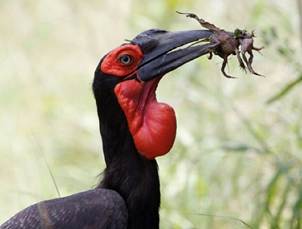
Affectionately nicknamed the “Feathered Lion,” this turkey-sized avian apex predator patrols savannas on foot. The primary reasons hornbills are considered keystone species include:
- Pest control: As largely carnivorous foragers, they regulate populations of agricultural pests and small animals, including insects, rodents, amphibians, and venomous snakes. A single flock consumes thousands of large insects daily, including locusts, termites, and grasshoppers. This heavy foraging acts as a natural pest control system, preventing insect swarms from overgrazing local vegetation and helping to maintain a balanced food web.
- Ecosystem re-structuring: Hornbills use their long, powerful beaks to flip over rocks, tear apart decaying logs, and probe into hard-packed savanna soil to find burrowing prey thereby aerating the topsoil and turn over organic debris. This aeration and breaking up crusts allows better rainwater absorption. At the same time it exposes hidden insects for smaller, less capable bird species following behind the flock.
- Seed Dispersal: Hornbills are primarily carnivorous but they also consume various fruits and seeds during their daily travels. By foraging across massive areas of up to 100 square kms they act as effective seed dispersers, promoting plant diversity and ecological succession.
The White-backed Vulture (Gyps africanus)
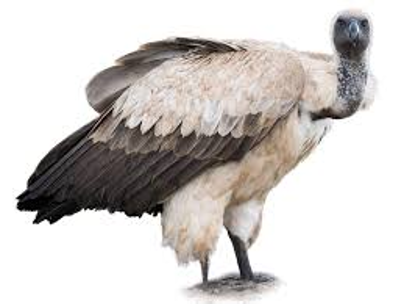
As an obligate scavenger (i.e. relying entirely on carrion) the vulture provides an irreplaceable biological sanitation service.
- Pathogen interception: Armed with highly corrosive stomach acids, vultures safely digest meat riddled with anthrax, botulism, and rabies, permanently neutralizing the pathogens. A flock can strip a carcass bare in minutes, preventing deadly bacteria from leaching into groundwater.
- Suppressing mammalian vectors: When vulture populations collapse, carcasses rot for weeks. This triggers a population boom in feral dogs, jackals, and rats. Unlike vultures, these mammalian vectors incubate and actively spread zoonotic diseases like rabies to human and livestock communities.
- Nutrient dispersers: White-backed vultures break open tough hides and distribute organic matter over a wide radius. Their calcium-rich droppings (from digesting bones) recycle vital nitrogen and phosphorus directly back into the grassland soil, promoting fresh vegetation growth.
Arthropod Keystone Species
Macrotermes Termites
Fungus-growing termites are arguably the premier landscape engineers of the African savanna.
- Create fertility hotspots and islands of biodiversity: Macrotermes construct massive mounds out of clay and saliva that concentrate nitrogen, phosphorus, and potassium far above surrounding soil levels. These nutrient hotspots draw grazing animals like impala and elephants, who preferentially feed on the lush vegetation growing around them.
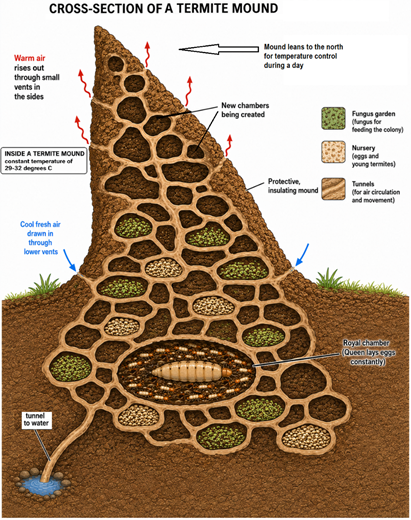
- Fungus farming: Termites bring dead wood underground to feed a cultivated fungus (Termitomyces) that breaks down tough cellulose. Without this fast-tracked decomposition, dead wood would choke the savanna floor for decades.
- Food for other species: Many species feed on termites – pangolins, aardwolves and various other mammals and birds and reptiles as well as other insects like Matabele ants.
- Combat soil compaction: By tunnelling deep into the earth to find water and clay, these termites create vast subterranean networks that break up compacted soil and drain freely through gravity. In heavy rain, water infiltrates the ground through these tunnels rather than running off the surface, dramatically reducing soil erosion and replenishing deep underground aquifers.
- “Flying ant” swarming: Once a year, after the first heavy rains, millions of winged reproductive termites (alates) emerge from the mounds simultaneously which triggers a feeding frenzy across the entire food chain. Virtually every predatory animal – including birds, bats, lizards, frogs, spiders, jackals, and even humans – relies on this massive, fat-rich protein injection to power their own breeding cycles.
- Subterranean refuges: Animals such as mongooses, hyenas, and monitor lizards move into abandoned mounds (and sometimes even into abandoned sections of occupied mounds), while thousands of insects use them as underground shelters to escape intense bushfires.
Dung beetles
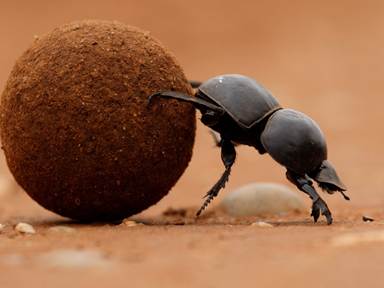
Dung beetles are crucial ecosystem engineers. Though small, their disproportionate impact on maintaining healthy ecosystems, enriching soil, and regulating pests makes them absolutely essential to their habitats.
Their critical roles in the environment include:
- Nutrient Cycling: They rapidly decompose animal waste and bury it beneath the soil, which enriches the earth with essential nutrients, improves soil structure, and helps vegetation grow.
- Pest Control: By consuming and removing fresh dung, they destroy the breeding grounds for flies and parasitic worms.
- Soil Aeration: Their tunnelling activities allow water to reach deep into the soil and improve overall aeration
- Seed Dispersal: Many species rely on rolling dung balls containing seeds away from the parent plant, helping new plants to germinate and grow away from parent plants.
Reptile Keystone Species
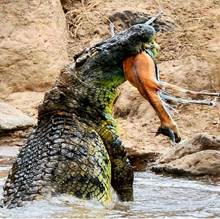
The Nile Crocodile (Crocodylus niloticus)

The Nile crocodile anchors aquatic food webs in freshwater networks through targeted predation and physical engineering.
- Fish population management: Adult crocodiles prey heavily on bottom-feeding catfish (barbel). Because catfish are voracious predators of smaller fish like tilapia (bream), crocodiles indirectly protect tilapia populations. This keeps the entire commercial and wild food web intact for human fisheries and fish eagles alike.
- Disease prevention: Crocodiles are highly opportunistic scavengers. When mammals drown or die near a riverbank, crocodiles quickly consume the carrion. Crocodiles possess some of the most robust, highly acidic digestive systems in the animal kingdom, allowing them to dissolve bones, hooves, and horns completely. By quickly removing decaying carcasses from limited dry-season pools, they stop the buildup of toxic bacteria and prevent catastrophic outbreaks of waterborne diseases like anthrax or botulism, protecting all animals sharing the water source.
- Habitat engineering through movement: Their massive bodies carve deep-water trails through mud and silt, keeping river channels from choking with weeds. During harsh droughts, these excavated pools remain filled with water, serving as critical survival sanctuaries for fish and amphibians.
- Energy translocation: Crocodiles frequently feed on terrestrial animals (like impala, baboons, or waterbuck) that venture to the water’s edge. They process this food and excrete waste directly into the aquatic system. This fecal matter introduces vital nitrogen and phosphorus into the water. This acts as a natural fertilizer that feeds phytoplankton and aquatic plants, driving the basic productivity of the entire wetland habitat.
Amphibian Keystone Species
The Giant African Bullfrog (Pyxicephalus adspersus)
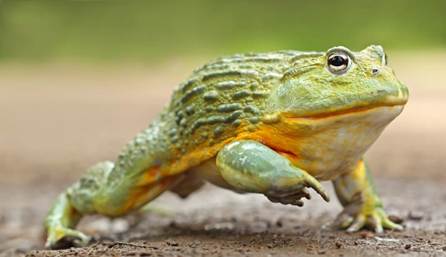
This massive amphibian (weighing up to 1.4 kg) behaves more like a mammalian predator than an amphibian and hunts birds, rodents, crabs and venomous snakes.
- Population control: They are voracious, opportunistic carnivores. Their diet includes large insects (like locusts and beetles), small rodents, lizards, snakes, and even other frogs. They regulate prey populations and prevent localized overgrazing by insects.
- Vital prey base: As tadpoles and later as adults, they are a primary food source for local predators, including African fish eagles, herons, monitor lizards, and certain snakes.
- The bulldozing parent: Dominant males guard communal nurseries in shallow, temporary rain pools. If a puddle begins to evaporate, the father physically bulldozes a canal through the mud to connect it to a deeper pool, saving thousands of tadpoles and opening up aquatic corridors for other marsh organisms.
- Nutrient-coated soil: Bullfrogs consume large amounts of terrestrial prey during the wet season and then burrow deep using spade-like ridges on their feet. They estivate (sleep) underground for months inside a moisture cocoon made of shed skin. When they emerge, these organic sheds break down, injecting vital nutrients directly into the deep root zones of savanna grasses.
- Shelters: The underground chambers created by bullfrogs can provide temporary shelter or moisture refuges for other small reptiles, insects, and mammals.
Summary: The Interconnected Arch
| Species | Primary Role | Ecosystem Benefit |
| African Elephant | Habitat Architect & Carbon Regulator | Prevents bush encroachment; drives forest carbon storage. |
| Hippopotamus | Nutrient & Water Engineer | Delivers land nutrients to water; maintains wetland irrigation. |
| Lion | Apex Predator | Imposes an “ecology of fear” that stops overgrazing and erosion. |
| Baobab & Mopane | Botanical Hubs | Provide water, winter fodder, and host vital insect lifecycles. |
| White-backed Vulture | Obligate Scavenger | Intercepts lethal diseases by cleaning up carrion. |
| Macrotermes Termite | Soil Transformer | Creates fertile biodiversity hotspots and fire shelters. |
| Dung beetle | Soil Transformer | Controls flies, spreads nutrients and seeds |
| Nile Crocodile | Aquatic Apex Predator | Manages fish populations and maintains deep-water drought pools. |
| Giant African Bullfrog | Apex Amphibian | Controls insect pests, digs soil macropores, and engineers canals. |
Conclusion
Keystone species remind us that the health of an ecosystem often depends on a surprisingly small number of pivotal organisms. Whether they are towering trees, burrowing insects, apex predators or ecosystem engineers, their influence extends far beyond their own survival.
Across Southern Africa, fiercely protecting these species is essential not only for conserving biodiversity but also for safeguarding the intricate ecological processes that sustain the region’s remarkable landscapes and wildlife. Understanding and conserving keystone species is therefore one of the most effective ways of protecting entire ecosystems for future generations. If we allow these vital species to fail, the entire arch will come crashing down around them.
References
Berzaghi, F., Longo, M., Ciais, P., Blake, S., Bretagnolle, F., Vieira, S., Scaranello, M., Scarascia-Mugnozza, G. and Doughty, C.E. (2019). Carbon stocks in central African forests enhanced by elephant disturbance. Nature Geoscience, 12, pp.725–729. The study demonstrates that elephant disturbance favours higher wood-density trees and increases above-ground carbon storage.
Bunney, K., Bond, W.J. and Henley, M. (2017). Seed dispersal kernel of the largest surviving megaherbivore—the African savanna elephant. Biotropica, 49, pp.395–401. Elephants are exceptionally important long-distance seed dispersers. The study estimated that half of ingested seeds could be moved more than 2.5 km and that maximum dispersal distances could reach 65 km.
Carucci, T., Whitehouse-Tedd, K., Yarnell, R.W., Collins, A., Fitzpatrick, F., Botha, A. and Santangeli, A. (2022). Ecosystem services and disservices associated with vultures: A systematic review and evidence assessment. Ecosystem Services, 56, 101447. The authors conclude that some commonly repeated claims about vultures’ sanitation and disease-control services have less empirical support than is often assumed.
Coverdale, T.C., Kartzinel, T.R., Grabowski, K.L., Shriver, R.K., Hassan, A.A., Goheen, J.R., Palmer, T.M. and Pringle, R.M. (2016). Elephants in the understory: opposing direct and indirect effects of consumption and ecosystem engineering by megaherbivores. Ecology, 97, pp.3219–3230.
Dutton, C.L., Subalusky, A.L., Hamilton, S.K., Rosi, E.J. and Post, D.M. (2018). Organic matter loading by hippopotami causes subsidy overload resulting in downstream hypoxia and fish kills. Nature Communications, 9, 1951.
Guldemond, R. and van Aarde, R. (2008). A meta-analysis of the impact of African elephants on savanna vegetation. Journal of Wildlife Management, 72, pp.892–899.
Haynes, G. (2012). Elephants (and extinct relatives) as earth-movers and ecosystem engineers. Geomorphology, 157–158, pp.99–107.
López-Hernández, D. (2023). Termite mound as nutrient hot-spots in savannah with emphasis in P cycling and the potential use of mounds as soil amendment. Pedobiologia, 99–100, 150888.
Makhado, R.A., Mapaure, I., Potgieter, M.J., Luus-Powell, W.J. and Saidi, A.T. (2014). Factors influencing the adaptation and distribution of Colophospermum mopane in southern Africa’s mopane savannas – A review. Bothalia, 44.
Masese, F.O., Kiplagat, M.J., González-Quijano, C.R., Subalusky, A.L., Dutton, C.L., Post, D.M. and Singer, G.A. (2020). Hippopotamus are distinct from domestic livestock in their resource subsidies to and effects on aquatic ecosystems. Proceedings of the Royal Society B, 287, 20193000.
Muvengwi, J., Ndagurwa, H.G.T., Nyenda, T. and Mbiba, M. (2016). Nutrient dynamics and plant assemblages of Macrotermes falciger mounds in a savanna ecosystem. Acta Oecologica, 76, pp.13–21.
Research concerns north-eastern Zimbabwe. It demonstrates elevated nutrients on Macrotermes falciger mounds and their influence on savanna vegetation.
Paine, R.T. (1969). A note on trophic complexity and community stability. The American Naturalist, 103(929), pp.91–93.
Poulsen, J.R. et al. (2021). Long distance seed dispersal by forest elephants. Frontiers in Ecology and Evolution, 9, 789264.
Slade, E.M., Mann, D.J., Villanueva, J.F. and Lewis, O.T. (2007). Experimental evidence for the effects of dung beetle functional group richness and composition on ecosystem function in a tropical forest. Journal of Animal Ecology, 76, pp.1094–1104.
Subalusky, A.L., Dutton, C.L., Rosi-Marshall, E.J. and Post, D.M. (2015). The hippopotamus conveyor belt: vectors of carbon and nutrients from terrestrial grasslands to aquatic systems in sub-Saharan Africa. Freshwater Biology, 60, pp.512–525.
Subalusky, A.L., Dutton, C.L., Rosi, E.J. and Post, D.M. (2018). Organic matter and nutrient inputs from large wildlife influence ecosystem function in the Mara River, Africa. Ecology, 99, pp.2558–2574.
Sweeney, B.W. et al. (2015). Riparian deforestation, stream narrowing, and loss of stream ecosystem services. Proceedings of the National Academy of Sciences, 112, pp.13733–13738.
Muvengwi, J., Witkowski, E.T.F., Davies, A.B. and Parrini, F. (2014). Do the large termite mounds of Macrotermes concentrate micronutrients in addition to macronutrients in nutrient-poor African savannas? Soil Biology and Biochemistry, 68, pp.95–105. Research was conducted in nutrient-poor miombo woodland in Zimbabwe and found that large Macrotermes mounds were enriched in many macro- and micronutrients.
Nichols, E., Spector, S., Louzada, J., Larsen, T., Amezquita, S. and Favila, M.E. (2008). Ecological functions and ecosystem services provided by Scarabaeinae dung beetles. Biological Conservation, 141, pp.1461–1474.
This is an excellent reference for virtually the whole dung beetle section: nutrient cycling, bioturbation, secondary seed dispersal and parasite suppression.
Torabian, S., Leffler, A.J. and Perkins, L. (2024). Importance of restoration of dung beetles in the maintenance of ecosystem services. Ecological Solutions and Evidence, 5, e12297.
A useful recent review confirming the importance of dung beetles in decomposition, nutrient cycling and modification of soil properties.
van der Plas, F. et al. (2013). Herbivores associate with nutrient-rich termite mounds in an African savanna. Ecography.
Editorial note: AI tools were used to assist with research and editing.

More to Explore


