Introduction Rising in the highlands of Angola and flowing more than 3,400 kilometres to the Indian…
Chete Safari Area

Introduction and Geographic Setting

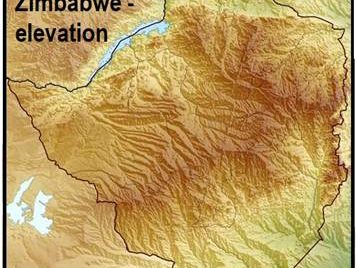
Chete Safari Area is one of Zimbabwe’s most remote and least explored protected landscapes, occupying a rugged stretch of wilderness along the southern shore of Lake Kariba in Matabeleland North Province. Situated between the Sengwe (Senkwe) River to the west and the Muenda (Mwenda) River to the east, Chete forms part of the greater Zambezi Valley ecosystem, an ecologically rich region shaped by dramatic terrain, seasonal rivers, and the effects of the vast inland waters of Lake Kariba.
The area covers approximately 108,100 hectares (1,081 km²), although historical references occasionally cite larger figures (probably reflecting earlier boundary definitions or inclusion of adjacent lands).

Chete’s landscape is dominated by steep hills, deep gorges, mopane woodland, riverine forests, wide sandy beaches, and numerous bays and islands along the lake. Limited road infrastructure and extreme seasonal heat have preserved its reputation as one of Zimbabwe’s most challenging yet rewarding wilderness areas.
Name and Cultural Context

The word “chete” is commonly translated from Shona as meaning “only.” However, it is more likely derived from chetu, an onomatopoeic word suggesting a sharp or sudden cutting action. This interpretation probably refers to the dramatic Chete (or Tchete) Gorge, where the Zambezi River cut abruptly through steep terrain at what is now the narrow western end of Lake Kariba.
Historically, Chete lay on the margins of the traditional lands of the Tonga people, who primarily inhabited the Gwembe Valley along the Zambezi River prior to the construction of Kariba Dam. The area was not heavily settled but would have served as a seasonal hunting ground and a corridor for movement along major rivers. Its remoteness and difficult terrain limited permanent occupation.
Historical Development
Prior to formal protection, Chete remained largely undeveloped and little visited. During the colonial era, its harsh conditions, lack of reliable inland water sources, and difficult access discouraged agricultural settlement and large-scale exploitation. A small number of professional hunters and Parks personnel were among the few people to venture inland.
Chete was formally gazetted as a Safari Area in the mid-1970s, following the enactment of Zimbabwe’s Parks and Wildlife Act of 1975. This legislation reorganized the country’s wildlife estate into national parks, safari areas, and other conservation categories, integrating wildlife protection with sustainable utilization. Under this framework, Chete was designated primarily for controlled use, aligning with what is now classified as IUCN Category VI.

The liberation war and subsequent decades of economic and institutional constraint limited further development. As a result, Chete remained one of the least modified conservation areas in the country, retaining a strong sense of wilderness but also suffering from limited infrastructure and inconsistent management presence.
Management and Infrastructure

Chete Safari Area is administered by the Zimbabwe Parks and Wildlife Management Authority (ZimParks). The main administrative headquarters is located on the Lake Kariba shoreline opposite Chete Island. Additional facilities include:
- A field station at Sianturu on the Ruziruhuru River
- Chete Gorge Camp, near Parks headquarters
- Ruzi Camp in the northern interior
- Abandoned infrastructure at the former Sinamwenda Fish Research Station
- Limited Parks accommodation overlooking Lwizilukulu Bay
The area contains two airstrips, though at least one is no longer operational. The road network, consisting of approximately 250 km of dirt tracks, is poorly maintained and often seasonally inaccessible. As a result, access by boat along Lake Kariba and up major rivers remains one of the most practical means of reaching many parts of the park.
Ecology and Wildlife

Chete supports a wide range of Zambezi Valley fauna and flora. Vegetation is dominated by mopane woodland, interspersed with riverine forest along rivers and wetlands near the lakeshore. These habitats support a diverse wildlife community, including:
- Large mammals: elephant, buffalo, lion, leopard, hippo
- Antelope species: sable, kudu, zebra, eland, waterbuck, impala, grysbok, klipspringer
- Other mammals: spotted hyena, bushpig
- Reptiles: exceptionally large Nile crocodiles
Birdlife is particularly notable, with approximately 378 recorded species, supported by extensive aquatic habitats, islands, and river systems.
Several major rivers—including the Sengwe, Lwizilukulu, and Mwenda—cut deep channels through the park and are navigable upstream for several kilometres. These waterways offer outstanding opportunities for boat-based wildlife viewing, birding, fishing, and access to remote interior landscapes. Inland river pools, while scenic, often support large crocodiles and can pose obstacles to extended walking routes.

Tourism Use and Potential

Historically, Chete has been managed primarily as a controlled hunting area, with regulated quotas providing revenue for conservation, ranger operations, and infrastructure maintenance. Due to the lack of roads, much activity has traditionally taken place on foot or by boat.
Photographic tourism has remained limited, constrained by extreme temperatures, rugged terrain, poor access, and the absence of habituated wildlife in hunted zones. Nevertheless, Chete possesses considerable untapped potential for low-volume, high-value tourism focused on:
- Walking safaris along rivers
- Boat-based game viewing and birding
- Scenic exploration of gorges, beaches, islands, and hills
Future photographic development would require the establishment of non-hunting zones, improved road and air access, strengthened anti-poaching capacity, and partnerships with private operators. Sites such as Lwizilukulu Bay offer particularly strong potential for lodge development due to existing infrastructure, scenic value, and lake access.
Conservation Challenges

Like many remote conservation areas in Zimbabwe, Chete faces ongoing challenges, including limited law-enforcement capacity, poaching pressure (both terrestrial and aquatic), and insufficient long-term funding. Wildlife population data remain sparse, and effective monitoring is difficult, given the terrain and scale of the area.
Despite these constraints, Chete remains an ecologically important component of the Zambezi Valley conservation landscape, contributing to habitat connectivity along Lake Kariba and supporting both terrestrial and aquatic biodiversity.
However, robust, up-to-date population data for key wildlife species in Chete is scarce. The region is included in broader wildlife monitoring efforts, for example, large carnivore surveys conducted by research partnerships like the Zambezi Society and academic institutions that have extended into Chete as part of wider valley assessments.
Conservation organizations and international partners, including IUCN and UNESCO, now prioritize integrated management planning and anti-poaching capacity across the Mana Pools National Park, Sapi, and Chewore Safari Areas World Heritage Site—a landscape distinct from but ecologically linked to Chete. Strengthening such frameworks and potentially linking Chete more integrally to transboundary conservation efforts could enhance long-term ecosystem resilience.
Conclusion

Chete Safari Area stands as one of Zimbabwe’s last largely unmodified wilderness regions. Shaped by geography, history, and policy decisions that prioritized sustainable use over intensive development, it retains exceptional scenic beauty and ecological value. While challenges persist, Chete’s rivers, gorges, wildlife, and sense of isolation offer strong foundations for future conservation and carefully managed tourism. With strategic investment and integrated management, Chete has the potential to evolve into a flagship example of wilderness-based conservation in the Zambezi Valley.
https://www.patrolling.org/the-chete-safari-area-a-forsaken-wilderness/?ref=patrol-newsletter
SOURCES
- Patrol, “The Chete Safari Area: A Forsaken Wilderness”, Staff Writer with Dick Fourie, patrolling.org, Volume 67, 09 Dec 2025 (see link above)
- UNESCO World Heritage Centre, “Mana Pools National Park, Sapi & Chewore Safari Areas World Heritage Property”, Report, November 2024
- The Zambezi Society, reports for Jan-Feb 2023 and Jan-April 2024
- Wikipedia Zimbabwe Parks and Wildlife Management Authority
- Orford, Bryan, Zimbabwe National Parks & Game Reserves | Facebook “Chete Safari Area Information and Tourism Potential”, 15 May 2019 (mentions limited amount of pictures of the area).
- Wild Zambezi, Dale Hes (Southern & Eastern Tourism Update for Wild Zambezi) https://www.wildzambezi.com/articles/2025/09/09/hunting-to-heritage-zim-reserve-begins-eco-tourism-transition wildzambezi.com,9 September 2025
- Zimbabwe Parks and Wildlife Management Authority (ZimParks)
* *Pictures obtained from internet but source not identified.

More to Explore